

Find out which of your
staff logins are
already circulating
Attackers get in many ways, then spread with stolen logins. See who's exposed, how serious it is, and what to shut off first, walked through in 30 minutes.
Is your company safe?
We check for leaked IDs and passwords for free
A cyberattack can start with one person's leaked credentials
Service accounts, API keys and AI agents that nobody owns or reviews.
Share of incidents affecting large organisations, government and supply chains.
Sources: Gartner, as cited by Josys (June 2026); Australian Signals Directorate, previous annual cyber threat report.
Assume credential leaks will happen.
What matters is detecting leaks in early and taking action rght away.
leaks can't be
fully prevented.
Phishing, malware on devices, breaches at the services you use. ID and password leaks can happen no matter how many safeguards you have.
are bought and sold
on the dark web.
If a leak goes unnoticed, stolen credentials keep serving as an entry point for unauthorized access.
early detection and
immediate response
Detect externally leaked credentials continuously and notify the person in charge, so you can act before the damage spreads.
Is your company secure?
We check for leaked IDs and passwords for free
Detect your company's leaks (free)→ TEMSAMPLE/fictious data
Leaked credentials
Illustrative sample only. Not an actual assessment result.
Leak protection doesn't end with detection.
Risk only goes down once detected information is organized and remediation is carried out.
 Josyscan help

Leaks related to your company,
detected continuously
Continuously checks external leak datafor information related to your company.

Organize sources and impact
to clarify priorities
Analyzes sources and related servicesto set response priorities.

From notification to remediation,
follow up on progress
Notifies the person in charge of findings and checkpoints, suggests recommended actions, and supports follow-up on progress.
* Content, frequency, and notification timing vary by plan. Actual operations such as password changes are performed by the customer.
39%credential abuse: the most common attacker action across every stage of an intrusion※
Is your company secure?
We identify leaked email addresses and passwords account by account.
* Credential abuse is the most common technique across all stages of an intrusion (Verizon 2026 Data Breach Investigations Report)
Govern every day.
Stop in a crisis.
Thorough everyday governance is the most effective security: remove leavers, dormant accounts and excess privileges so there is less for attackers to take. When a leak is found, block sign-in or suspend the account from the alert. Policy-based response, from review requests to session revocation, is rolling out.
- 1STEP 1 | DetectDetect leaks continuouslyDetect credential leaks and review account, severity, and threat type in one list.
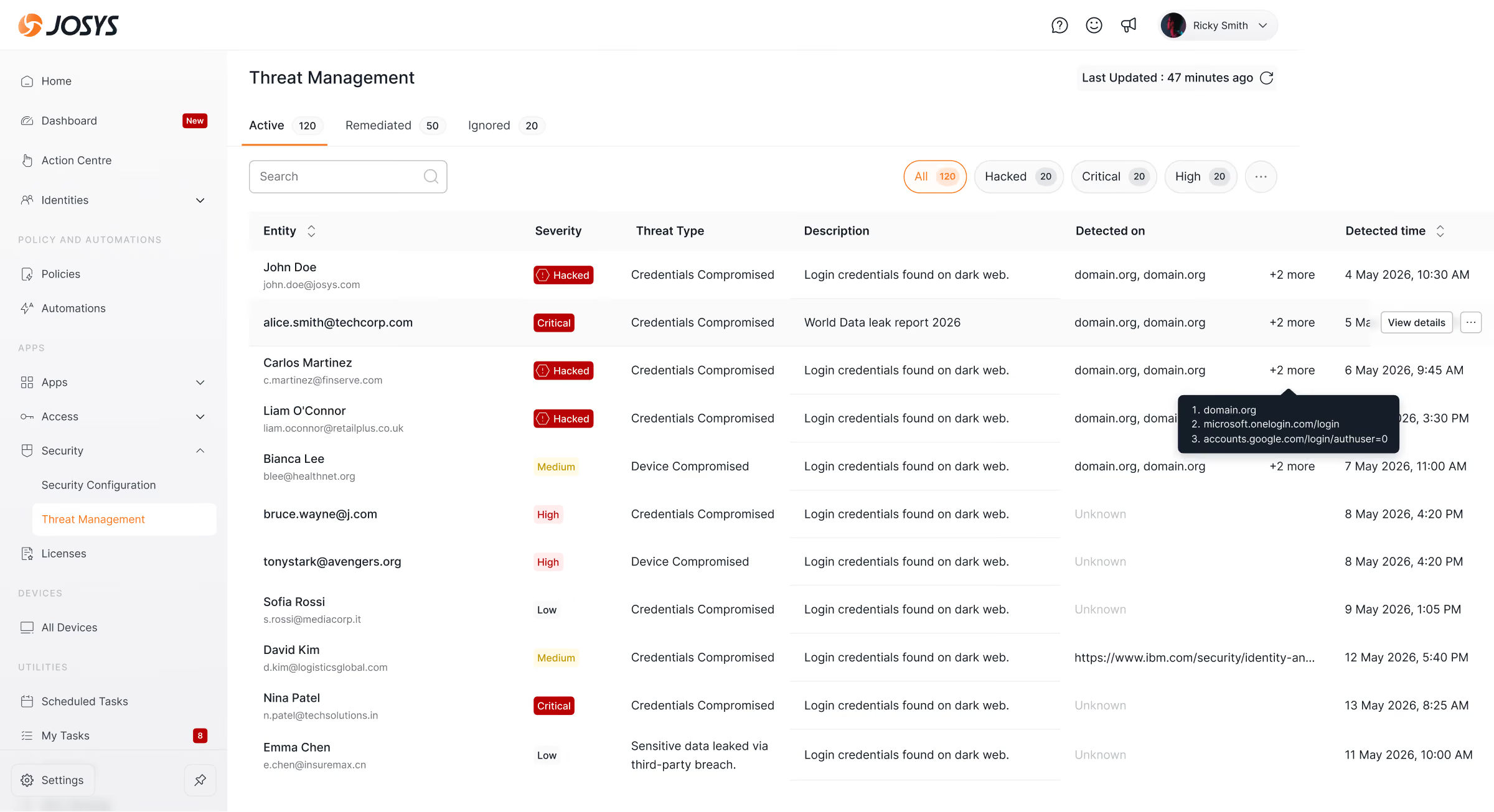
- 2STEP 2|TriggerDetection launches a policyWith "When a new threat is detected" as the trigger, your preset policy runs.
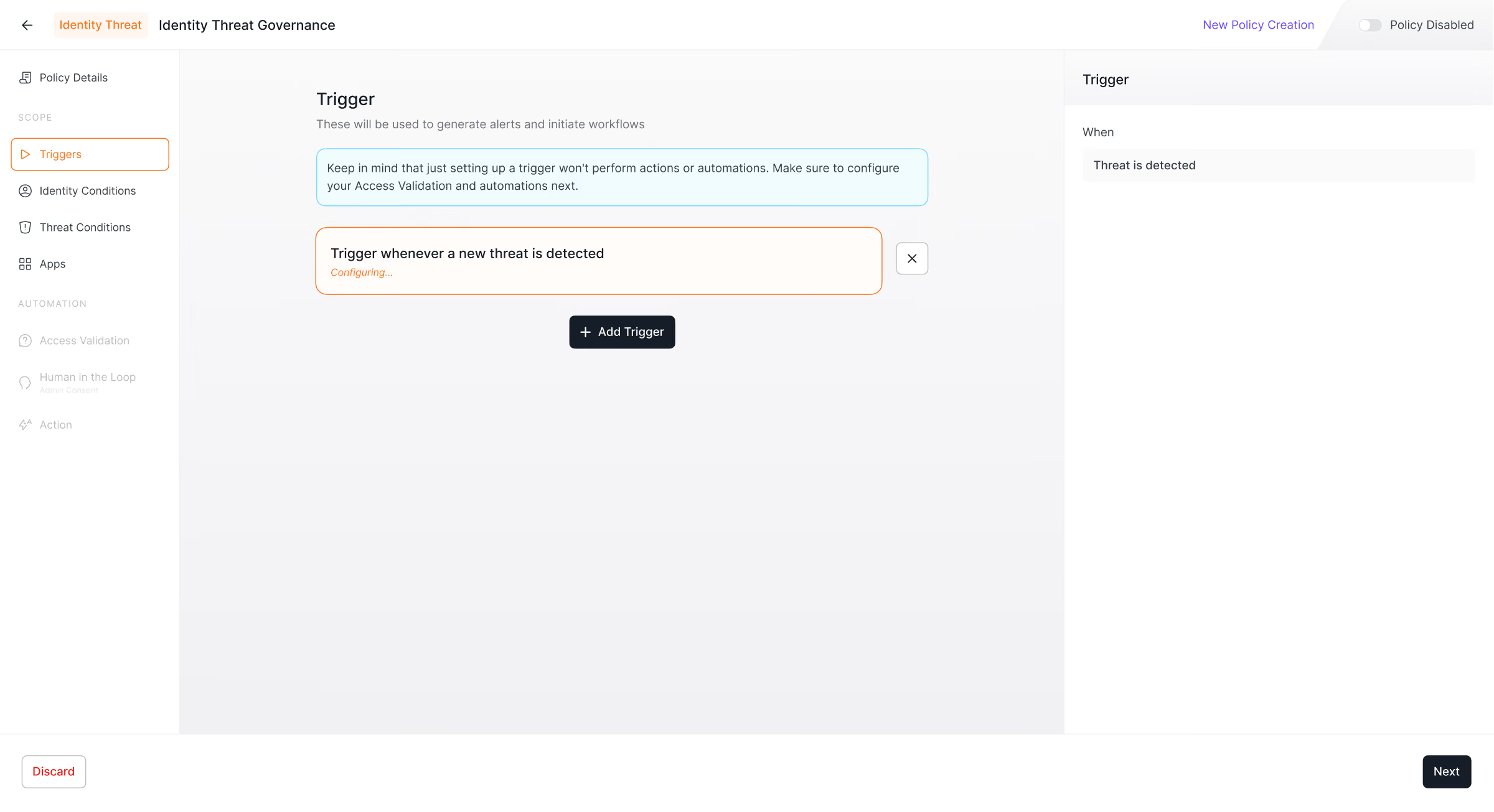
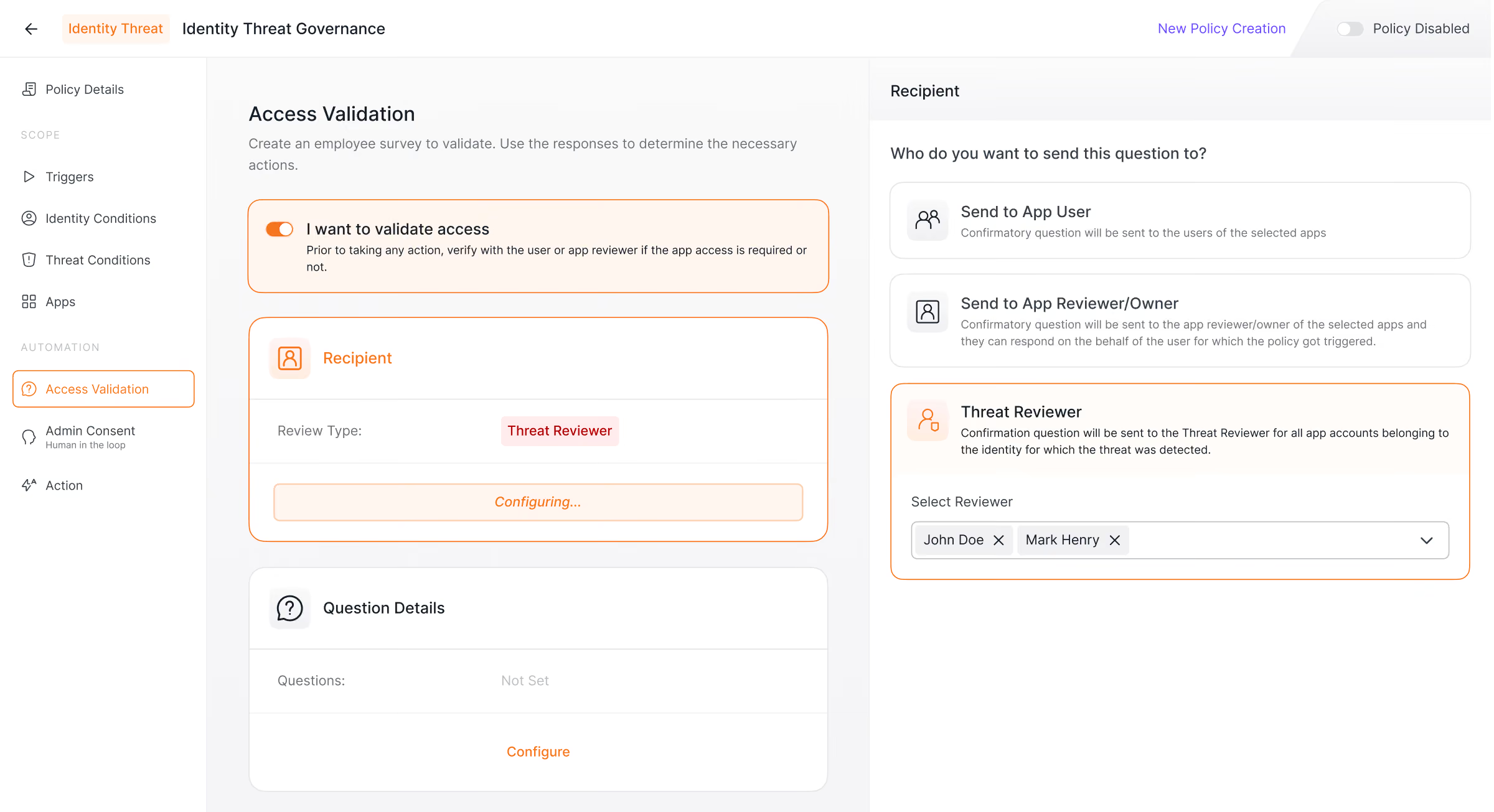
- 3STEP 3|Notify reviewersAsk designated reviewers to confirmSends confirmation questions to threat reviewers and moves to the next action based on their answers.
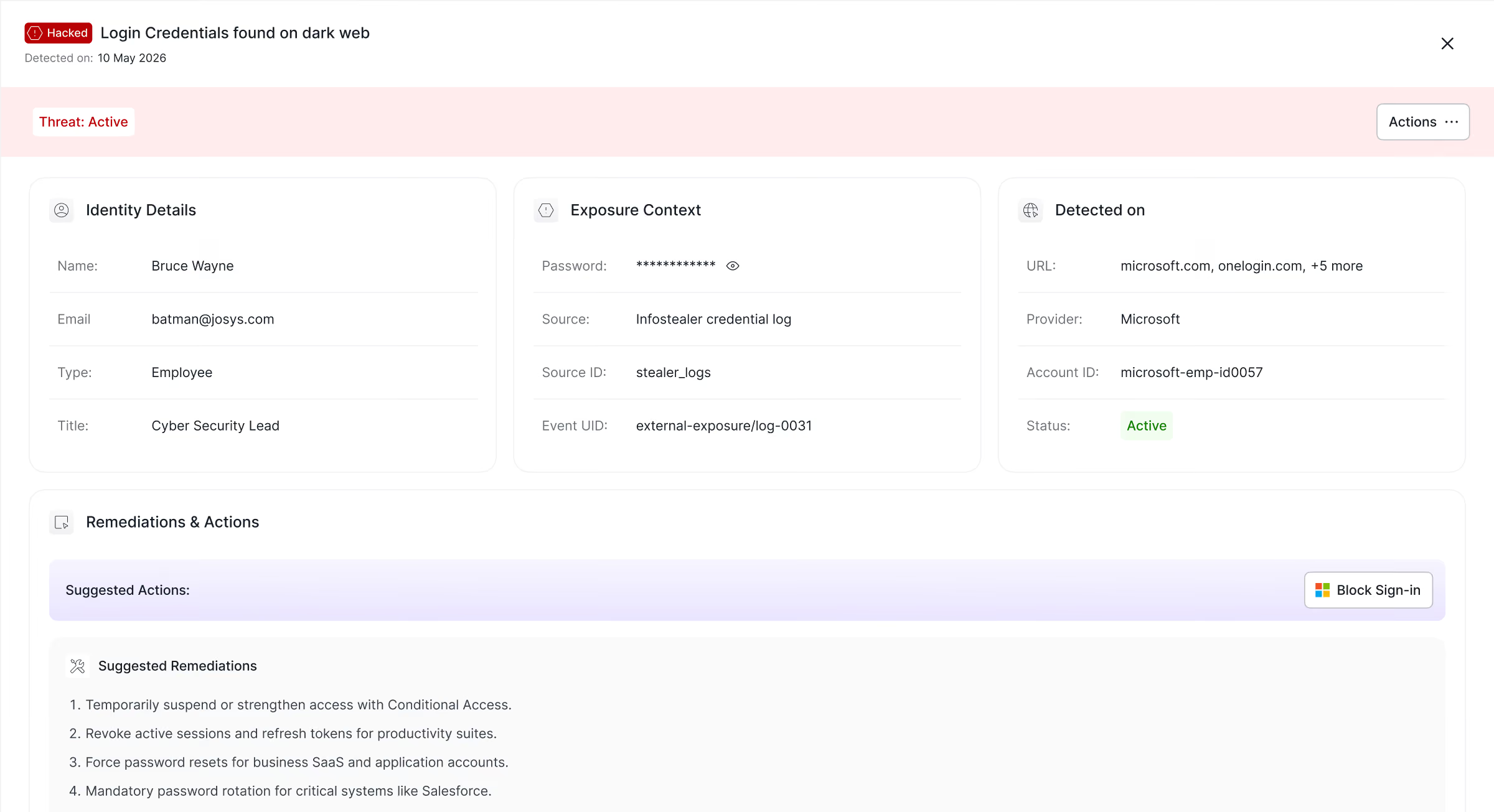
- 4STEP 4|ActRevoke sessions and moreFollow recommended actions to revoke sessions and handle affected accounts.
* Screens are for illustration (company names, people, and email addresses shown are fictitious). Available triggers, notification targets, and actions vary by connected apps and plan.
Because member, app, and device ledgers are connected,
you can see the exact impact and act fast.
Josys matches leaked credentials against its ledgers to show whose they are and which apps and devices they relate to.
 Unified ledger
and act right away
- Suspend accounts
- Isolate devices
- Contact users and admins
* Conceptual diagram. Matching against ledgers requires the relevant data to be connected. Support scope varies by plan; actual configuration changes and deactivation are performed by the customer.
Sort by checking your company's leak status.
See leaked email addresses and passwords, walked through on a 30-minute call.
Why companies choose Josys:
3 strengths
Find widely. Start quickly. Watch continuously.
From infostealer logs, phishing kits and breach data, find the risks that affect you.
We check threat intelligence sources for credentials and session cookies related to your domain.
* We investigate within available data and do not guarantee that all leaks will be detected.
 Josys Identity Threat Monitoring monitors and matches
No installation on devices.
Just your domain is enough to start.
We check external leak data for information related to your domain.Nothing needs to be installed on your company's devices.
* We investigate external leak data; we do not directly scan your internal devices.
Don't stop at an annual check.
Keep checking for new leaks.
With a one-time survey or an annual check, you miss leaks that happen in between. Josys TEM continuously monitors external leak data.
* Content, scope, and notification timing of the ongoing service vary by plan.It requires a separate application and contract from the free assessment.
* Detection and notification scope vary by available data and plan. We do not guarantee that all leaks will be detected.
Have your company's credentials
leaked?
Find out now.
We investigate external leak data related to your domain and share what we find in an initial assessment report.
- Leaked IDs and passwords related to your domain
- Related services found in the leaked data
- Classification of findings and risk breakdown
Apply → Scope check & investigation → Results
* We investigate within available external data. No findings does not guarantee there are no leaks or risks. Our team will let you know how and when results are delivered.
TEMSAMPLE FICTIOUS DATAINITIAL ASSESSMENT REPORT
Credential Leak Initial Assessment Report
Breakdown of findings
Findings (excerpt)
Your report, walked through
in 30 minutes.
1. Request: tell us your company, every email domain you use, and your executive sponsor.
2. We investigate: our team checks external threat intelligence sources for your domains. This usually takes a few business days.
3. Readout (30 minutes): we walk you and your sponsor through your report: who is exposed, how serious it is, and what to shut off first.
4. Then stop it: knowing about a leak doesn’t stop an attack. See how Josys shuts exposed identities off at your identity provider and across connected apps, and removes leavers’ accounts and unneeded permissions every day.
LIVE WEBINARS · AEDT
Not ready for a report? See how leaks happen, live.
Frequently Asked Questions


End-to-End Identity
Governance made easy for IT


